Ways to Digitize Material Surfaces — and Which Surfaces Need Which Method
Digitizing physical surfaces isn’t a one-size-fits-all process. Different surfaces require different techniques to capture their color, structure, and depth as accurately as possible. Why? Because every surface is different and so are its sampling options.
There are three major methods to create precise digital twin of a material. All of them require high-end equipment, skills and ideally experience.
Thankfully at Reawote, we have all of these 😊

✍️ Key takeaways
📌 Flat-bed scanning as the best option for digitization in controlled environment
📌 Photogrammetry as an alternative for scanning large surfaces that cannot be transported, done on site
📌 3D reconstruction as the most pheasable option for metallic surfaces or materials with huge height difference.
Flat-bed Scanning
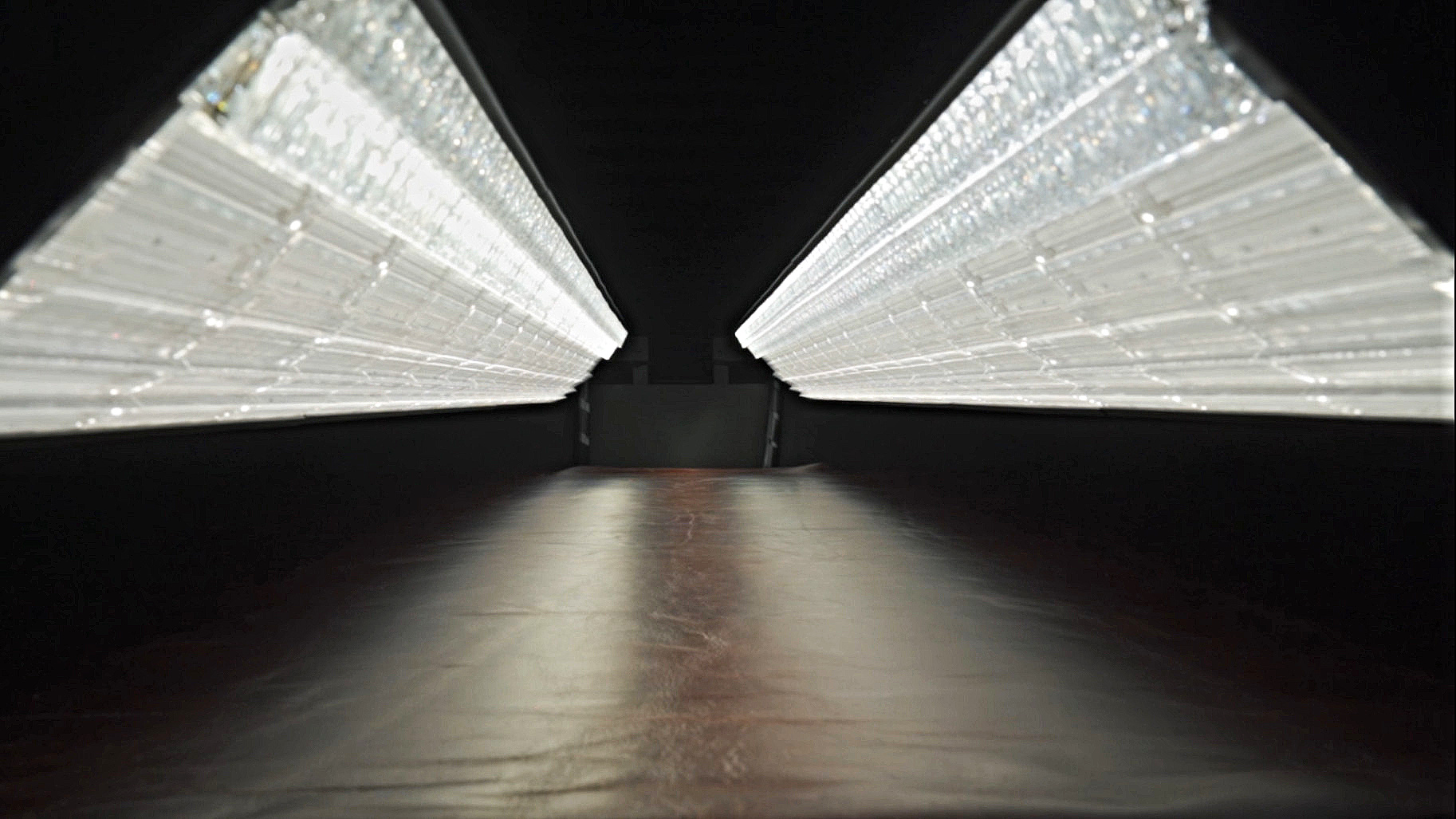
The best way to digitize a surface is to bring the physical sample to a device that is specifically designed to capture all aspects of the surface under controlled and ideal conditions.
The scanner illuminates the sample evenly across the entire scanned area, which is perfect for acquiring an Albedo map — a scan of the color without shadows. This is especially important for creating accurate PBR materials. The device is color-calibrated, captures details from 250 to 1000 DPI, and offers a scanned area of 220 × 150 cm, making it one of the best solutions for capturing material samples.
If the sample length exceeds the scanning area, it can be scanned in multiple passes and stitched together in post-production.
While this method is preferred, not all surfaces can be captured this way for practical or technical reasons.

Best for: fabrics, carpets, wallpapers, laminate, floor boards, veneers, plasters, brick tiles, wood planks, ceramic tiles
Advantages: extremely color-accurate, high-detail, perfect for seamless patterns, captures also transparency
Challenges: works with thinner materials with minimal height differences in the structure
What’s needed: Samples of an advised size sent to our digitization department
ℹ️ At Reawote we currently operate two large flat-bed scanners.
Photogrammetry
This method is generally used for large scale applied surfaces that cannot be transported such as whole walls, roofs, facades etc. A specialist is sent to capture the surface on-site with a professional camera or a drone.
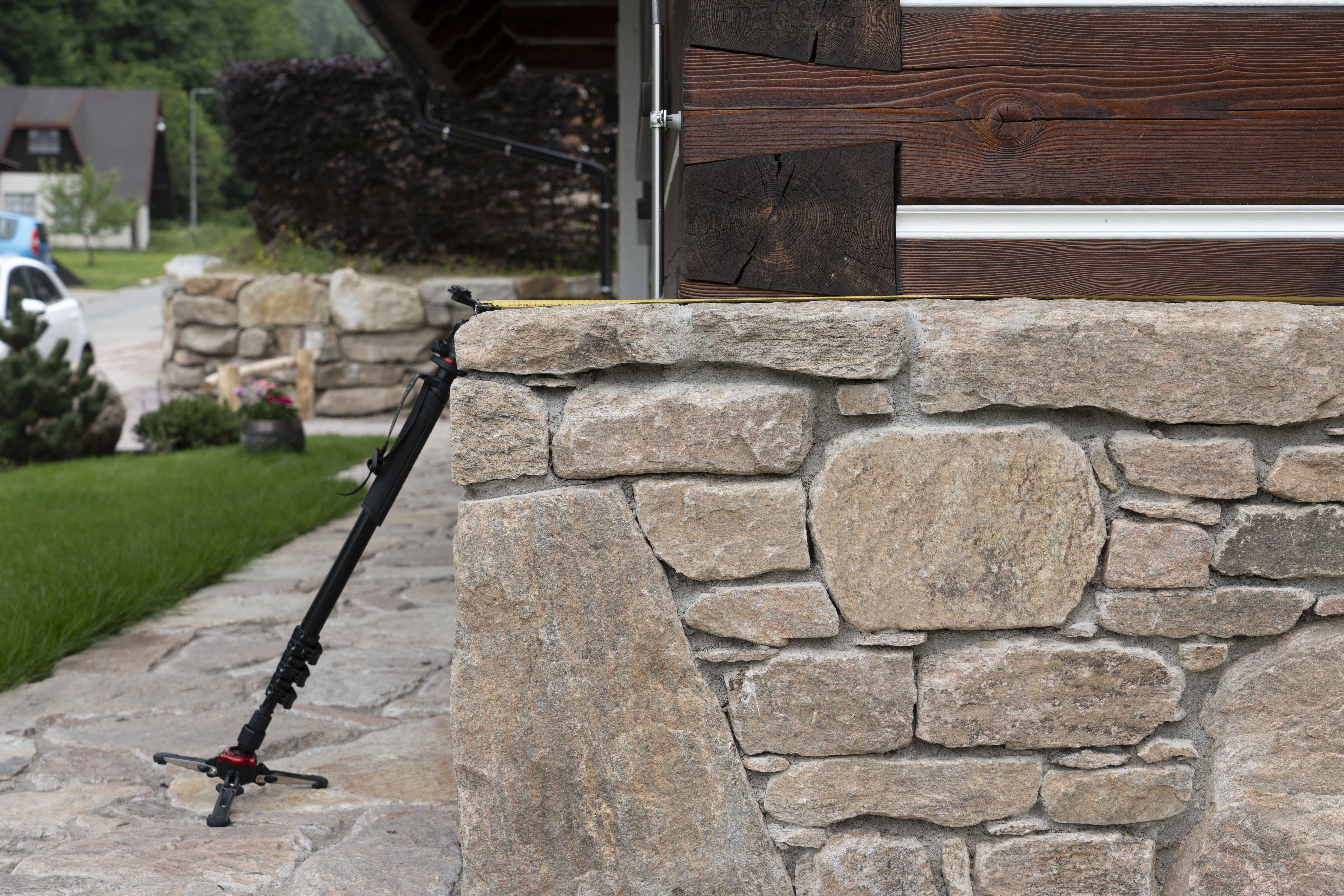
Best for: stones, roof tiles, floor bricks, pavements, concretes,
Advantages: captures surfaces on-site – no need for sample shipments
Challenges: more demanding in post-production, not ideal conditions (lighting…)
What’s needed: Access to the site where material is implemented.
ℹ️ A lot of general materials in our 3D asset library (reawote.com) have been captured this way (roads, stone walls, pavements, grass, leaves, snow etc.)
3D Reconstruction
We use this method for surfaces that are more structured, i.e. have larger height differences in the pattern, for surfaces with precise geometry easily described by 3D model or for very shiny metallic surfaces.
Best for: structured tiles, embossed surfaces, metals, fences, perforated panels
Advantages: real geometry, rotatable, works great for close-ups
Challenges: longer production time, more technical setup
What’s needed: photos with dimensions or 3D models
Every digitization method is followed by a complex post-production process. Raw scanned or photographed data is carefully cleaned, calibrated and transformed into a production-ready PBR material. This includes making the texture seamless, correcting unwanted lighting information, refining scale and color consistency, and generating or enhancing all required material maps. Some properties cannot be captured directly by scanning alone, such as glossiness, roughness, metalness, opacity or specific shader behavior. These are reconstructed, authored and validated by our material specialists so the final asset behaves correctly in modern render engines, game engines and real-time visualization workflows.

The output is always seamless, i.e. tileable and in PBR format containing all the necessary bitmaps telling 3D software how to work with the surface.
.jpg)
Join our community and stay updated on all things 3D
Sign up to our newsletter.


Build a better world with real-world 3D detail
Step into the digital world and explore new ways to create, present, and distribute products — without limits or physical constraints.